Mylan Vu
Physical Therapy & Wellness

Move with Meaning


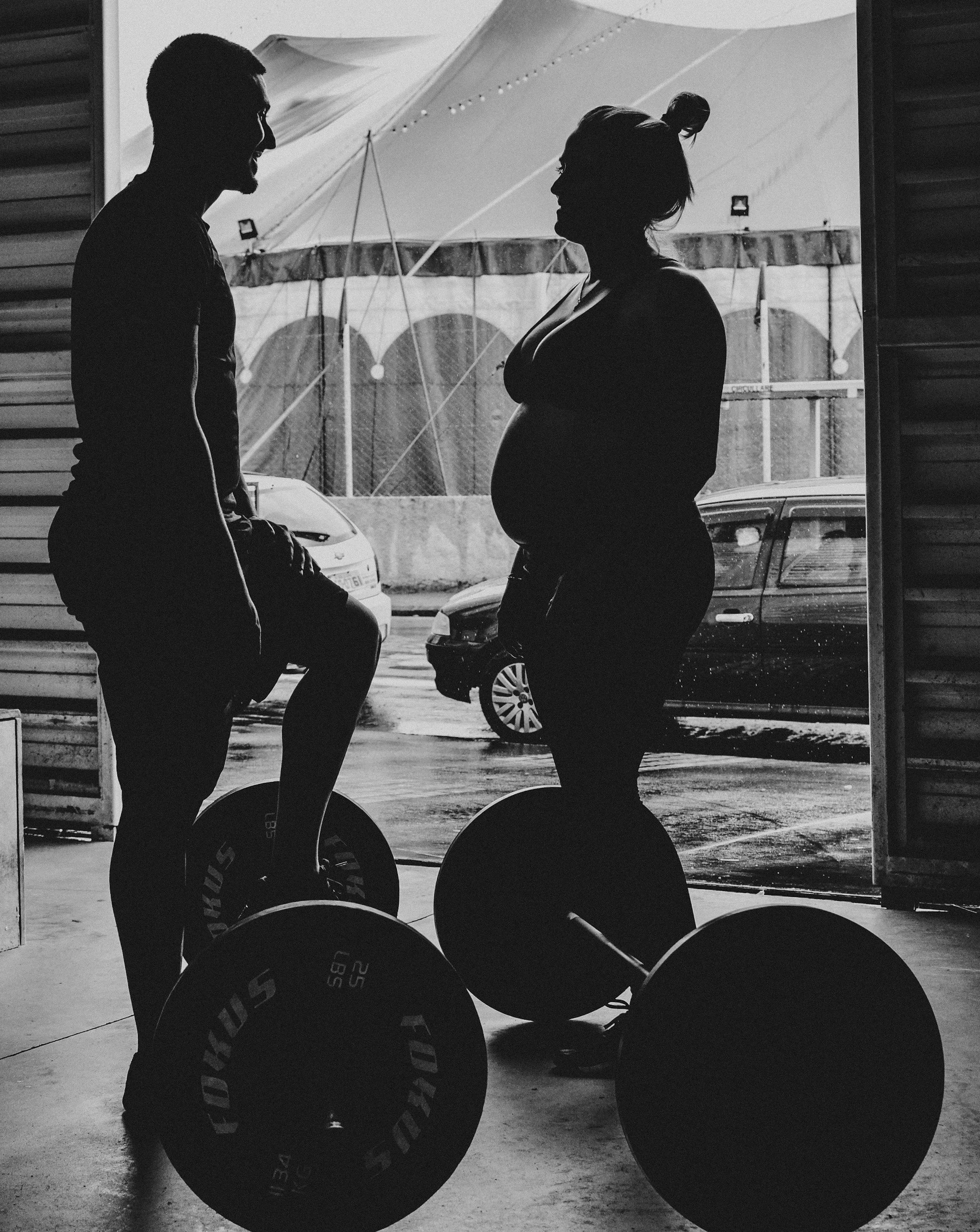
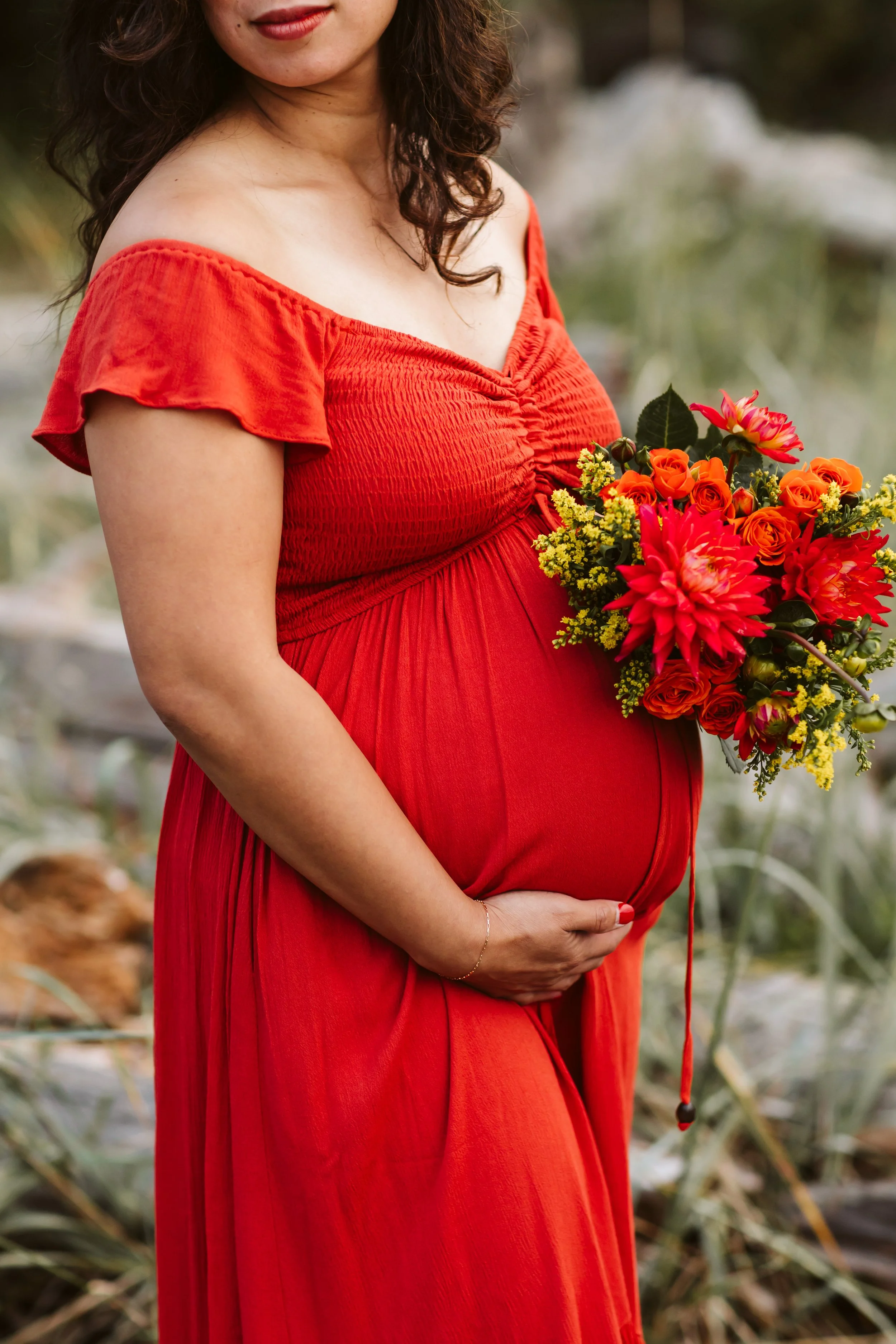
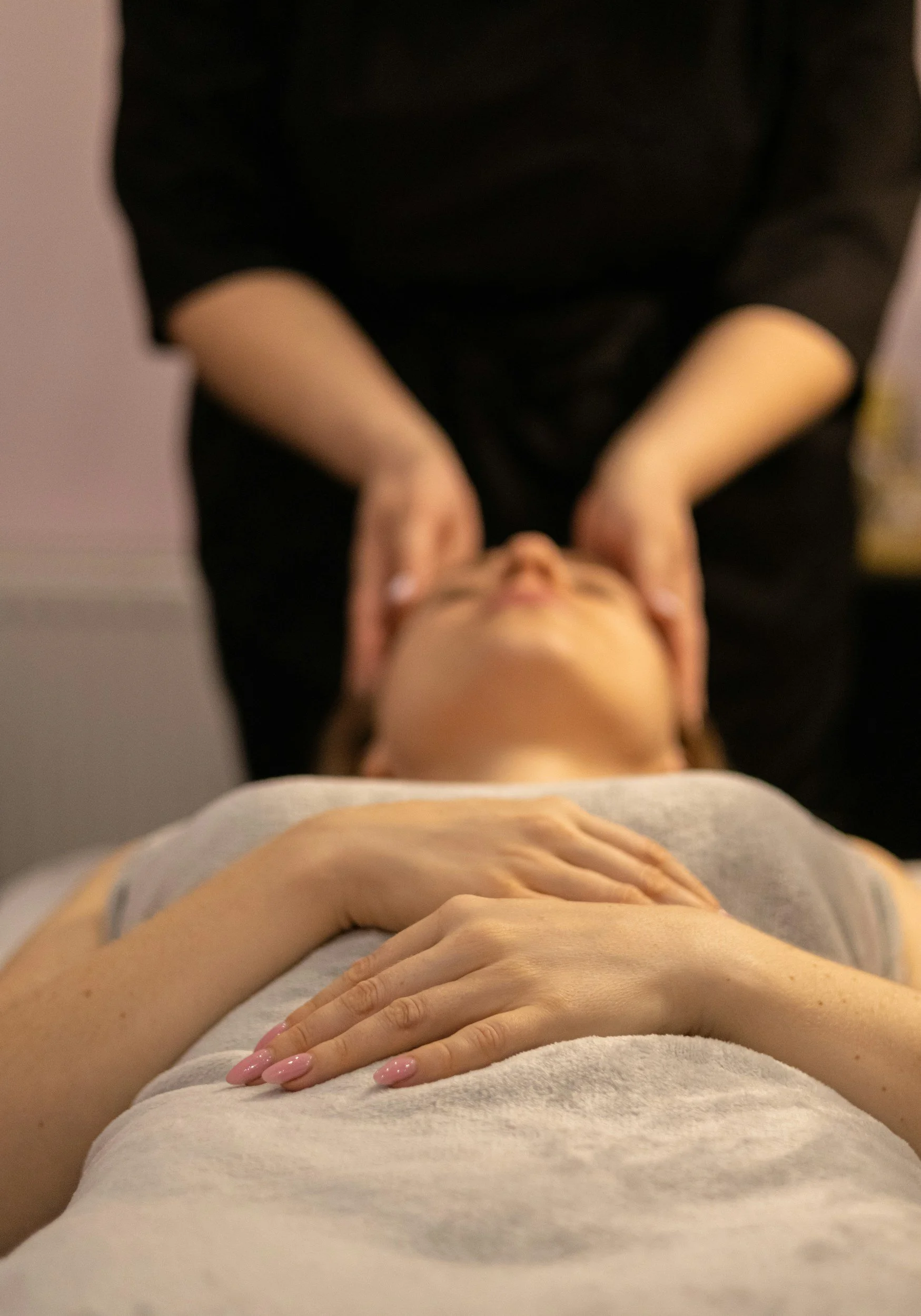
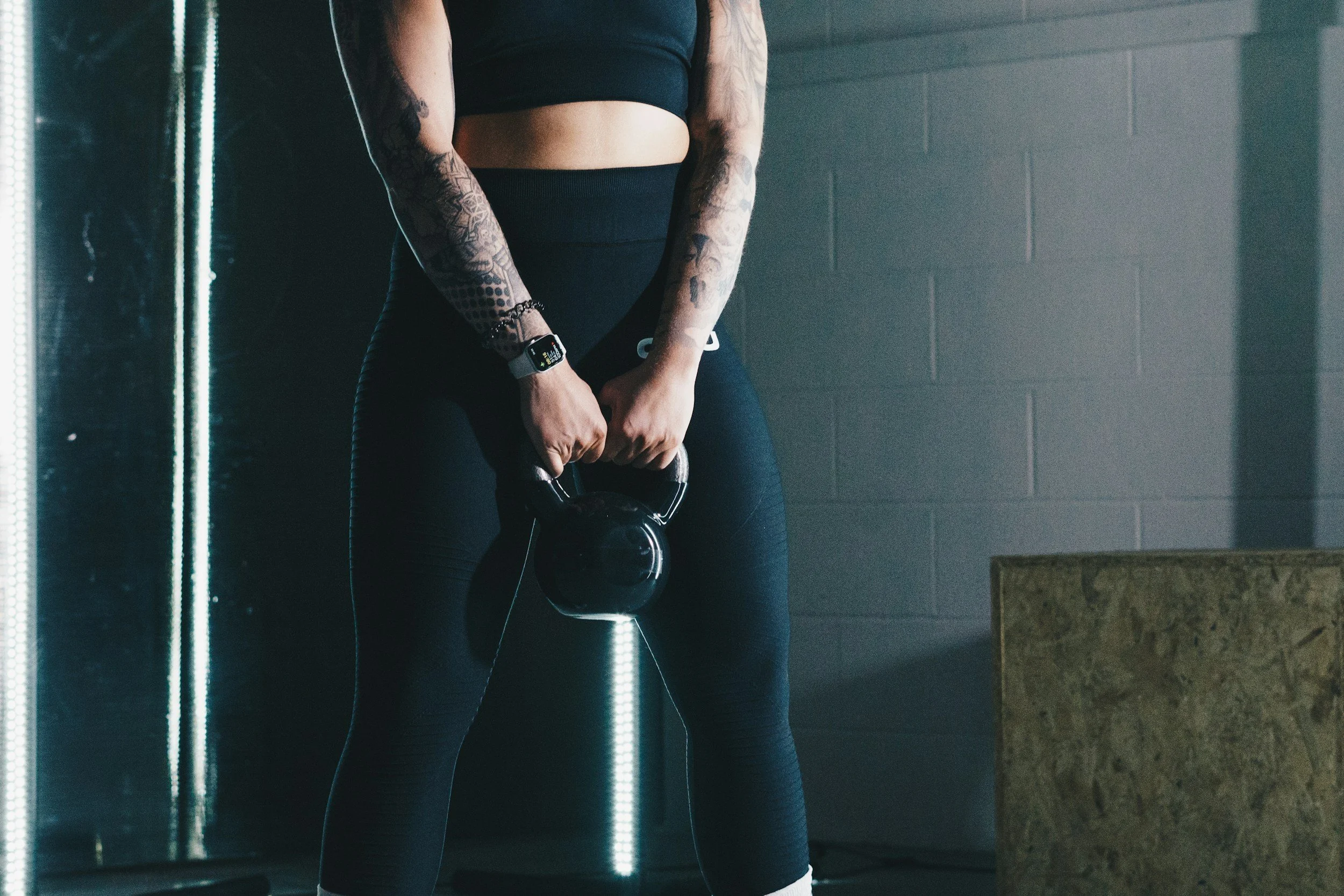
Specializing in helping People move how they want to live
Whether you’re an athlete, a performer, an active person, or someone who just wants to move well at every stage of life, I can help. I provide one-on-one care that prioritizes what you value and how you want to move.
I combine hands-on body work, mind-body connection techniques, and strength training to help you move more freely, re-build your confidence, and get you back to living life fully.
I’m Glad you’re Here
Welcome

Hi! I’m Mylan (“Mi-lahn”she/her). I am a Physical Therapist, Pelvic Health Clinician and Board-Certified Orthopedic Clinical Specialist with over a decade of professional experience.
I help people move how they want to live.
Movement is an outward expression of who we are. Every person deserves to move through life in a body that feels genuinely theirs - one that feels capable, safe, and whole.
All Bodies Deserve CarE

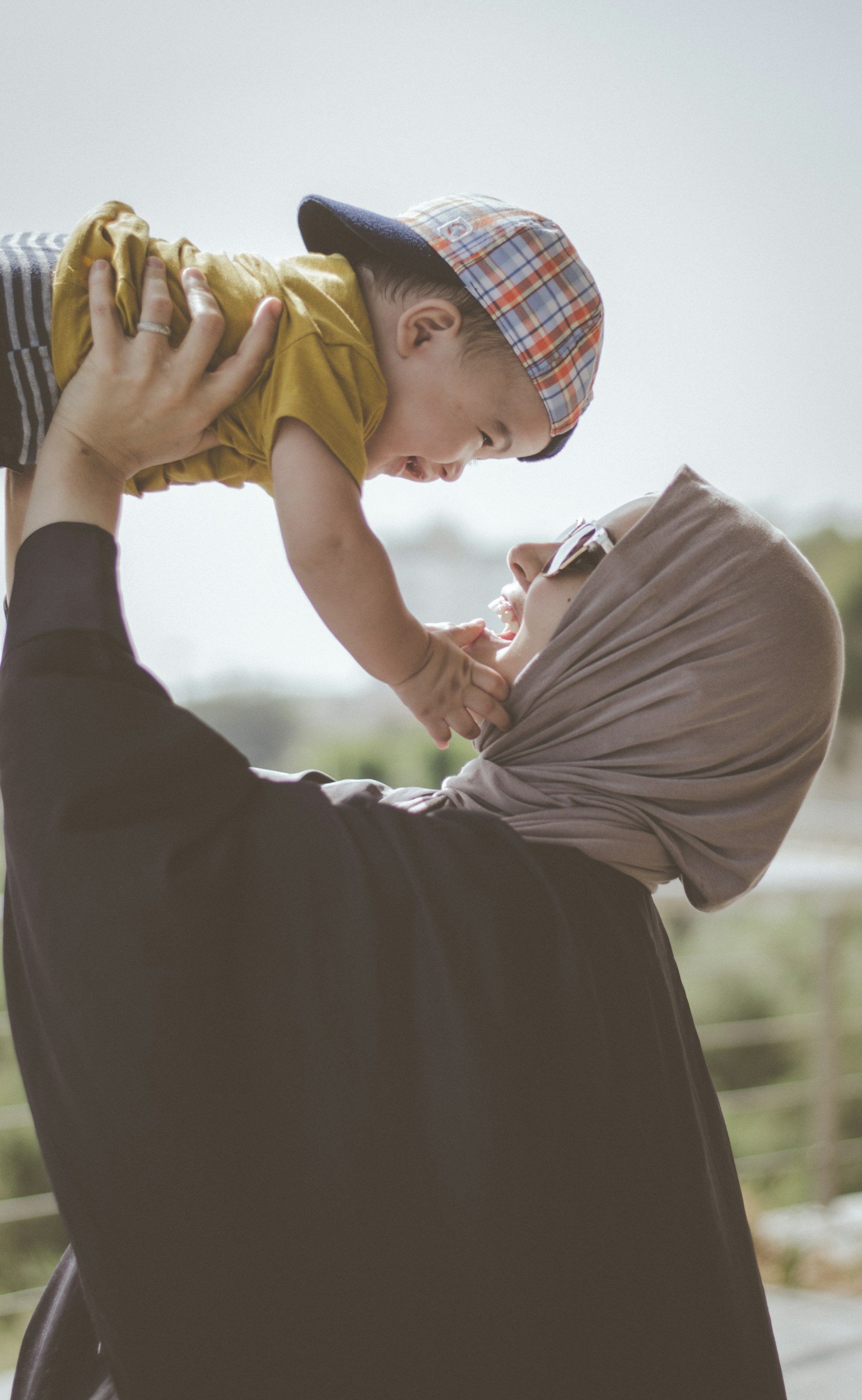

I work with all ages, genders, sizes and identities with various movement backgrounds.
From the dancer who wants to be more grounded in their turns, to the volleyball player who wants to be quicker to the floor. Or the parent who wants to laugh with their kids without leaking, to the person who desires pain-free and enjoyable intimacy with their partner.
These are ways I can help your body feel its best.
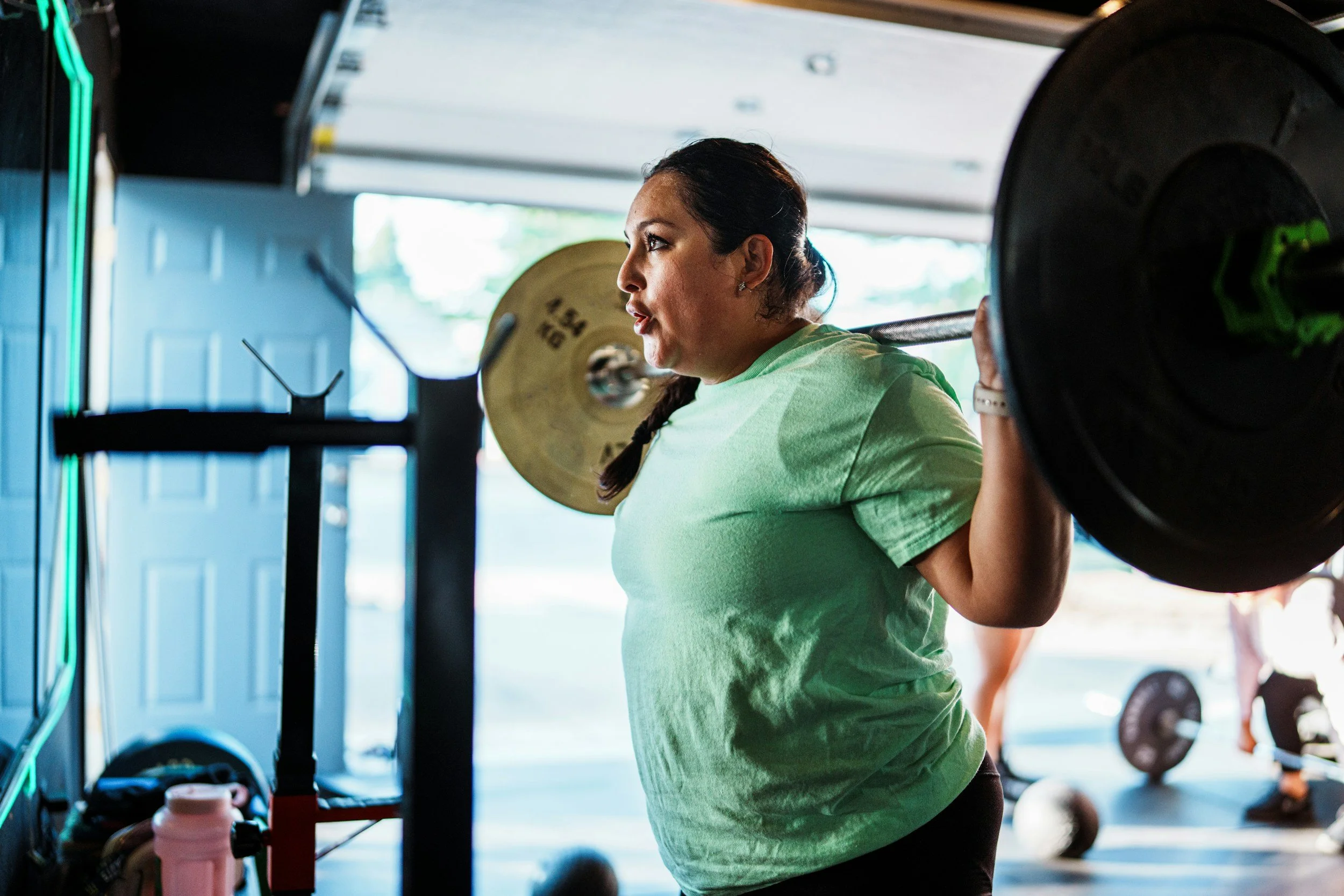
Those who work with me want:
To improve their strength, flexibility, power, coordination, balance, movement and overall health, but are unsure of how to start or progress
Creative and individualized strategies to address recent or ongoing muscle, joint, tendon or nerve issues.
To move and feel like themselves again after a surgery, an injury, a performance, postpartum or after an off-season.
Expert guidance, accountability, and support without judgement or shame.
Someone who can take complex (or even scary) concepts and make them simple and accessible
A medical provider that treats them with respect and empathy, who actively listens to their lived experiences.
To move confidently and freely at every stage of life.

“Your age, size, or diagnosis do not define you.
You define who you are by how you choose to move through life.”
My Approach
My background is rooted in movement sciences blended with a biopsychosocial, trauma-informed, and individualized approach to care.
Working through body and health concerns can be challenging and vulnerable. It can also be eye-opening and relieving when a clear path is made. I encourange open communication, and your preferences, lifestyle, and capacity are always considered.
This holistic approach helps me understand your experience, what you value, and how to guide you towards your movement goals.
"Mylan's approach was calm, clear, and kind in a way that kept a level of professionalism that helped me be brave and strong while also being cared for."
— Former Client
What to Expect
Reduce pain. Move More. Do fun things.
-
We meet and chat!
It can be daunting meeting anyone new, in a healthcare setting or not. Whatever you feel comfortable discussing with me is confidential and completely up to you.
This first conversation may include your current and past experience, questions or concerns, and movement goals.
I also want to learn about you and your preferences:
What name do you like to be called by? Preferred pronouns?
How do you like to learn (tacile, auditory, visual)? Are bright lights and extra noise distracting?
What kind of music do you like?
What priorities are you currently trying to balance?
Learning about you and what you value guides our process.
-
Let’s see how you move!
Okay, to be real. It can feel somewhat awkward having someone watch you do something. Let alone “analyze.”
This is a really important step that helps me understand your experiences in real time.
Feeling shaky in your turns? Neck tension when singing? Back pain when putting baby in their crib? Knees wobbly when dropping low on the dance floor? Let’s see you do the thing and figure out how to make it better.
Unsure of what exactly is making things feel off? Let’s figure it out together.
The goal of movement analysis and examination is to give us both insight to which motions produce discomfort or difficulty and which motions provide more comfort and ease and why. Understanding your baseline movement guides our strategies
If you are feeling uneasy about showing me certain movements or performing parts of the examination, that is okay!
We will always go at the pace you are comfortable with. I meet you where you are at.
-
What’s keeping you from moving the way you want?
Pain? Stiffness? Fear? Just unsure?
This is where we directly address the barrier to movement.
This phase can include but not limited to: manual therapy, modalities, use of supportive devices, exercise, education, nervous system regulation and breathing techniques, movement modificatiions.
-
Learning and doing the new thing a bunch of times!
This is where we expand our movement vocabularly.
This phase includes verbal instruction and hands-on guidance from me while you practice and explore new movement pathways.
Examples: exercise and movement drills, relaxation and breathing techniques, manual therapy, use of modalities, instruction of home use of tools/equipment if needed, and how to integrate these new movements and tools into your lifestyle
-
We will frequently revisit this question: Do these strategies help guide you towards your movement goals?
Based on your feedback, current goals and my observations, we will refine our strategies to fit what you need.
Have questions?
Ready to get started on your movement goals?
Let’s Do It.